Mastering the Classic Ornamental Corner Design Vector for Professional Branding
In the realm of graphic design, few elements possess the timeless authority and aesthetic grace of a well-crafted corner ornament. The Classic Ornamental Corner Design Vector represents more than just a decorative flourish; it is a foundational tool for establishing hierarchy, framing content, and evoking a sense of heritage in modern visual communication. Whether you are a seasoned designer creating high-end branding assets or a hobbyist engaged in scrapbooking, understanding the versatility and technical advantages of these vector shapes can significantly elevate the quality of your work.
The Enduring Appeal of Vintage Scrollwork
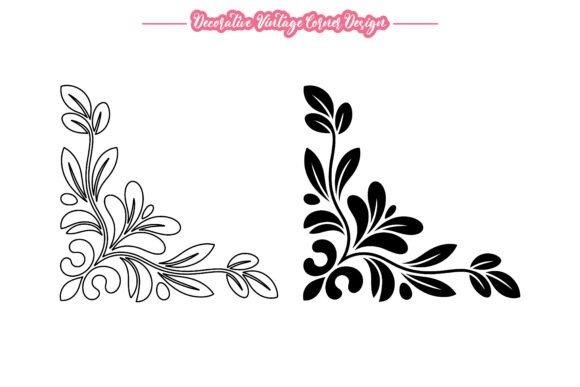
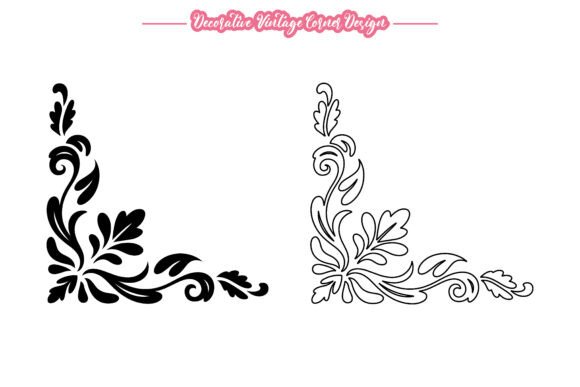
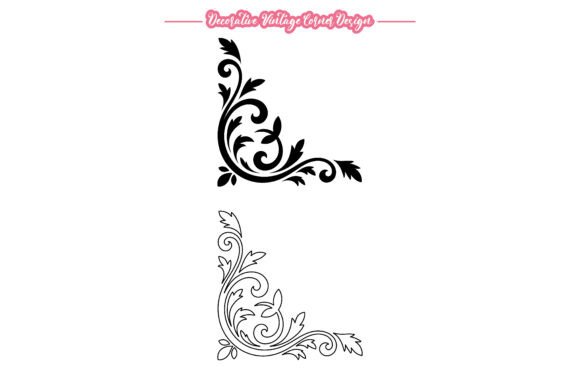
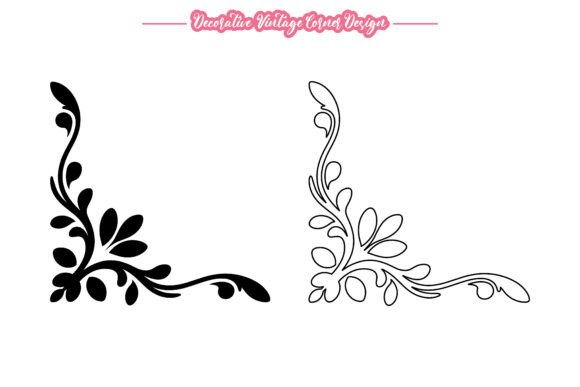
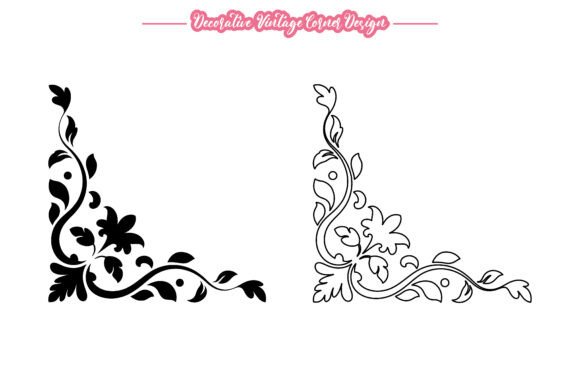
Vintage aesthetics have experienced a remarkable resurgence across various industries, from luxury hospitality to independent publishing. At the heart of this trend lies the intricate detail found in classical scrollwork. Unlike flat, minimalist icons that dominate contemporary digital interfaces, ornamental corners provide texture, depth, and a narrative of craftsmanship. The Classic Ornamental Corner Design Vector captures this essence by offering both solid and outline styles, allowing creators to choose between bold statement pieces or delicate, airy accents depending on the weight required by the layout.
This duality is crucial for designers who need to balance visual interest with readability. A solid fill might be perfect for a heavy certificate border, while an outline version works seamlessly over complex photographic backgrounds without obscuring the underlying image. By integrating these elements, designers can bridge the gap between historical artistry and modern functionality, ensuring that their projects feel both established and current.
Technical Superiority: Why Vectors Matter
The distinction between raster and vector graphics is often the deciding factor in professional workflows. When working with a Classic Ornamental Corner Design Vector, the primary advantage is scalability. Because these designs are mathematically defined rather than pixel-based, they can be resized from a tiny logo icon to a massive billboard print without any loss of resolution or clarity. This is particularly important for products that require high-precision output, such as engraved certificates or large-format event signage.
Furthermore, the inclusion of RGB color mode and 300 DPI resolution in the accompanying JPG previews ensures that digital proofs look crisp on screens, while the EPS file guarantees print-ready fidelity. For professionals using Adobe Illustrator or similar software, the ability to manipulate individual anchor points means that no two applications of the design need to be identical. You can stretch, rotate, or reshape the scrollwork to fit unique geometric constraints, a flexibility that static image files simply cannot offer.
Practical Applications Across Industries
The utility of these ornamental shapes extends far beyond simple decoration. They serve functional roles in guiding the viewer's eye and organizing information within a composition. Here is how different sectors leverage the Classic Ornamental Corner Design Vector to achieve specific goals:
- Corporate Branding and Logos: Many law firms, financial institutions, and heritage brands utilize corner flourishes to frame their logos. This creates a "seal of approval" effect, suggesting stability, trust, and longevity. The editable nature of the vector allows brand managers to align the ornament's color palette perfectly with their corporate identity guidelines.
- Invitations and Stationery: In the wedding and event planning industry, the demand for personalized stationery is high. These vectors allow for the creation of elegant borders that define the space for text without overwhelming it. The 100 vector shapes included in the package provide enough variety to create cohesive suites for invitations, RSVP cards, and menus.
- Certificates and Awards: Official documents require a level of formality that plain text cannot convey. Placing a detailed scrollwork element in each corner instantly elevates a standard document into a commemorative award. The high-resolution capability ensures that even fine lines remain distinct when printed on textured paper.
- Digital Content and Web Design: While web design often favors minimalism, ornamental vectors are increasingly used in landing pages for luxury goods, educational courses, and historical archives. They add a layer of sophistication that helps differentiate a brand in a crowded digital marketplace.
Streamlining the Creative Workflow
Efficiency is a cornerstone of successful design production. One of the most significant benefits of acquiring a comprehensive package like the Classic Ornamental Corner Design Vector is the time saved during the asset creation phase. Instead of spending hours drawing intricate swirls from scratch or searching through low-quality stock libraries, designers gain immediate access to a curated collection of premium shapes.
The package includes 100 vector shapes, which serves as a robust library for rapid prototyping. When a client requests multiple variations of a design—perhaps a dark theme and a light theme—a designer can quickly swap the fill colors or stroke weights of the existing vectors. Since the files are fully editable, there is no need to retrace or redraw elements. This agility allows creatives to focus on the broader aspects of the project, such as typography pairing and color theory, rather than getting bogged down in manual illustration tasks.
Customization and Adaptability
No two projects are exactly alike, and the best design assets recognize this reality. The EPS file format included in the download is specifically designed for compatibility with industry-standard software like Adobe Illustrator. This ensures that every node, curve, and path is accessible for modification. A designer might decide to trim a particularly long flourish to make room for a signature, or perhaps combine two different corner styles to create a unique symmetrical pattern.
Color customization is another vital aspect. With the ability to change colors effortlessly, these ornaments can adapt to seasonal themes, brand updates, or specific client preferences. A gold foil effect for a wedding invitation can be achieved by applying a metallic gradient to the vector shape, while a corporate report might require a subtle gray outline to maintain a professional tone. The 100% editable color-changeable file structure removes the guesswork from styling, giving the user complete creative control.
Enhancing DIY and Craft Projects
Beyond the professional studio, the Classic Ornamental Corner Design Vector has become a staple for the DIY community. Hobbyists involved in scrapbooking, card making, and mixed media art benefit immensely from having high-quality digital assets that can be printed at home or sent to a local cutter.
For scrapbookers, these designs provide a sophisticated way to frame photos and journal entries. Because the vectors come in JPG format as well, they can be easily imported into photo editing software or printing applications without requiring advanced vector skills. The 300 DPI resolution ensures that when printed on cardstock or specialty paper, the lines remain sharp and clean, avoiding the pixelation that plagues lower-quality internet images.
Moreover, crafters who use vinyl cutters or laser engravers find these vectors indispensable. The clean paths of the EPS file translate perfectly into cutting instructions, allowing for precise die-cuts or engravings on wood, leather, or acrylic. This opens up a world of possibilities for creating custom home decor, personalized gifts, and artisanal packaging that rivals mass-produced alternatives.
Strategic Considerations for Implementation
While the potential for these designs is vast, successful implementation requires thoughtful consideration of context and scale. Overuse of ornamental elements can lead to visual clutter, detracting from the main message of a design. It is essential to treat the Classic Ornamental Corner Design Vector as a supporting actor rather than the protagonist. The goal is to enhance the content, not compete with it.
Designers should also consider the medium of delivery. A design intended for a mobile screen may require a simplified outline version of the ornament to ensure legibility on small displays, whereas a printed brochure can support the full complexity of the solid fill style. Understanding the limitations and strengths of the final output format will guide the selection of the appropriate vector style from the available collection.
Additionally, maintaining consistency across a brand's touchpoints is key. If a specific corner design is chosen for a logo, it should be applied consistently across business cards, letterheads, and digital headers to build recognition. The ability to save and reuse these customized vector shapes within a central library ensures that brand standards are met efficiently across all departments and campaigns.
Conclusion on Design Excellence
The integration of classic ornamental elements into modern design is a testament to the enduring power of traditional aesthetics. The Classic Ornamental Corner Design Vector offers a versatile, high-quality solution for professionals and enthusiasts alike, providing the tools necessary to create work that is both beautiful and functional. By leveraging the scalability, editability, and variety of these vector shapes, creators can produce polished, professional results that stand the test of time.
Whether you are crafting a prestigious certificate, designing a luxury brand identity, or simply adding a personal touch to a handmade card, these resources empower you to execute your vision with precision. As the design landscape continues to evolve, the ability to blend vintage elegance with modern technology remains a valuable skill, and these vectors serve as an excellent foundation for that artistic journey.