Mastering Ornamental Flower Design Elements for Creative Projects
In the world of graphic design and digital crafting, the ability to incorporate intricate botanical details can elevate a project from simple to sophisticated. Ornamental Flower Design Elements serve as the foundational building blocks for this transformation, offering artists and designers a versatile toolkit to express elegance, symmetry, and natural beauty. Whether you are designing a wedding invitation, creating a textile pattern, or preparing files for laser cutting, understanding how to utilize these elements effectively is crucial for achieving professional results.
The challenge many creatives face is not a lack of inspiration, but rather the difficulty in sourcing high-quality assets that are both aesthetically pleasing and technically robust. Low-resolution images often result in pixelated prints, while rigid vector files may lack the scalability needed for large-format applications. This is where a comprehensive collection of Ornamental Flower Design Elements becomes an indispensable resource, bridging the gap between artistic vision and practical execution.
Understanding the Value of High-Quality Floral Motifs
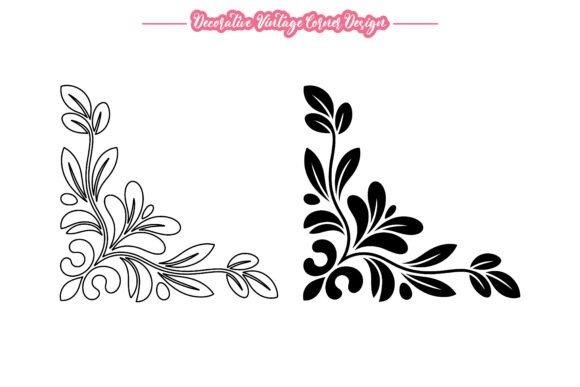
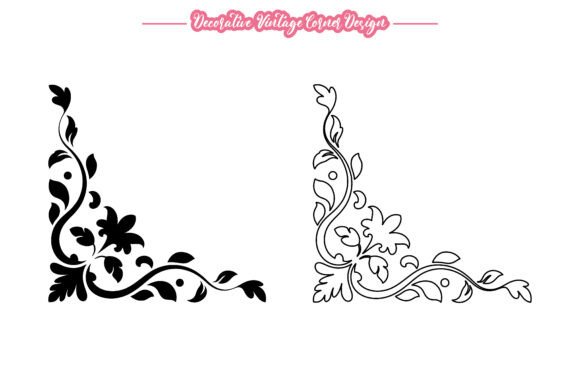
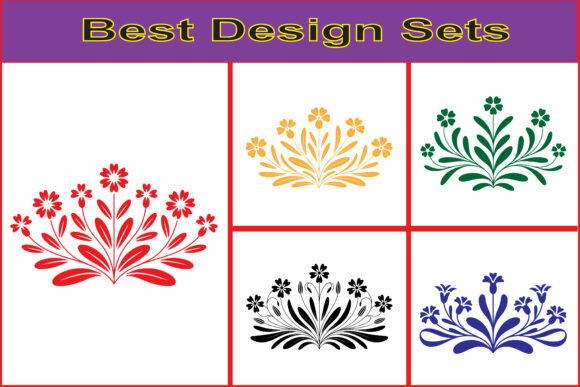
Ornamental Flower Design Elements are more than just decorative pictures; they are structured compositions inspired by folk art, botanical accuracy, and symmetrical geometry. These motifs are crafted with clean curves and balanced forms, ensuring that every line contributes to the overall harmony of the design. Unlike generic clip art, these elements are designed with precision, allowing them to function seamlessly across various mediums, from digital screens to physical textiles.
The true power of these designs lies in their versatility. A single floral motif can be scaled down to fit on a business card logo or expanded to cover a large wall mural without losing any detail. This scalability is essential for modern creators who need to adapt their work for multiple platforms. When you invest in a set that includes formats like EPS, SVG, PNG, and JPG, you are ensuring that your workflow remains uninterrupted regardless of the software or output method you choose.
Solving Common Design Challenges
Creatives often encounter specific hurdles when working with floral imagery. One common issue is the loss of quality during resizing. Raster images (like standard JPEGs) become blurry when enlarged, which can ruin the integrity of a design intended for large-scale printing. Another challenge is compatibility; a file created in one program might not open correctly in another, leading to wasted time and frustration.
Ornamental Flower Design Elements address these pain points directly. By providing fully scalable vector formats such as EPS and SVG, these resources ensure that your designs remain crisp at any size. The inclusion of multiple file formats within a single package—typically a convenient Zip file containing seven variations in each format—means you have the right tool for every job. For instance, SVG files are perfect for web use and cutting machines, while high-resolution PNGs are ideal for layering in Photoshop.
Furthermore, the editable nature of these vectors allows for customization. If a client requests a specific color palette or a slight modification to a petal shape, you can easily adjust the vector paths without starting from scratch. This flexibility is particularly valuable for professionals who need to deliver unique, tailored solutions quickly.
Practical Applications Across Industries
The utility of Ornamental Flower Design Elements extends far beyond a single niche. Their inherent beauty and structural balance make them suitable for a wide array of applications:
- Wedding and Event Stationery: These motifs are perfect for creating elegant invitations, place cards, and menus. The symmetrical nature of the designs adds a touch of formality and grace that is highly sought after in the wedding industry.
- Textile and Surface Design: Designers can repeat these floral patterns to create seamless textures for fabrics, wallpapers, and wrapping paper. The clean lines ensure that the pattern repeats smoothly without visible breaks.
- Branding and Logos: For businesses in the wellness, beauty, or artisanal food sectors, a custom floral logo can convey organic values and sophistication. The vector format ensures the logo looks sharp on everything from packaging to signage.
- Digital Crafts and Laser Cutting: Makers using Cricut or Silhouette Cameo machines rely on precise SVG files. These ornamental elements are pre-optimized for cutting, making it easy to produce stickers, decals, and intricate paper crafts.
- Home Decor: From wall art prints to decorative pillows, these designs bring a cohesive botanical aesthetic to interior spaces.
Optimizing Your Workflow with the Right File Formats
To get the most out of Ornamental Flower Design Elements, it is important to understand which file format serves which purpose. A typical premium design set will include a variety of formats to cover all bases:
- EPS (Encapsulated PostScript): The industry standard for professional print. Use this when working in Adobe Illustrator or CorelDRAW for maximum editing capabilities.
- SVG (Scalable Vector Graphics): Ideal for web design and cutting machines. It maintains vector quality while being lightweight and compatible with modern browsers.
- PNG (Portable Network Graphics): Best for digital overlays and projects requiring transparency. High-resolution PNGs allow you to place floral elements over photos without a white background box.
- JPG (Joint Photographic Experts Group): Useful for quick previews, social media posts, or situations where a raster image is specifically required.
Having all these formats in one organized Zip file streamlines your process. You no longer need to convert files manually, reducing the risk of errors and saving valuable time. This efficiency is critical for freelancers and small business owners who must manage tight deadlines.
Tailoring Designs for Different User Needs
Different users approach Ornamental Flower Design Elements with different goals in mind. A graphic designer might focus on the editability of the vector paths to create a unique brand identity. They will likely prioritize the EPS and AI files to manipulate shapes and colors extensively. In contrast, a DIY crafter might be more interested in the immediate usability of the SVG files for their cutting machine. For them, the "ready-to-cut" aspect is the primary value proposition.
Photographers and digital artists may prefer the PNG versions to add subtle floral borders to their portraits or product shots. Meanwhile, surface pattern designers will look at the symmetrical compositions to create repeating tiles for fabric manufacturing. Regardless of the specific role, the core benefit remains the same: access to high-quality, professionally crafted assets that save time and enhance the final output.
Recommendations for Implementation
When integrating Ornamental Flower Design Elements into your next project, consider the following best practices:
- Maintain Balance: While these motifs are detailed, avoid overcrowding your design. Let the ornamental flowers breathe by leaving adequate negative space.
- Color Consistency: Ensure that the colors you apply to the vector elements align with your overall brand or project palette. Since the files are editable, you can easily swap hues to match your needs.
- Test Before Production: Always run a test cut or print a small proof before committing to a large production run. This ensures that the intricate details render correctly on your specific equipment.
- Leverage Symmetry: Many of these designs feature symmetrical compositions. Use this to your advantage in logo design or central focal points for invitations.
By utilizing a comprehensive set of Ornamental Flower Design Elements, you empower yourself to tackle diverse creative challenges with confidence. The combination of artistic inspiration and technical reliability ensures that your projects stand out in a crowded marketplace. Whether you are a seasoned professional or an enthusiastic hobbyist, these tools provide the foundation for creating beautiful, lasting designs that resonate with your audience.