The Timeless Appeal of Elegant Botanical Line Art: A Guide to Refined Illustration
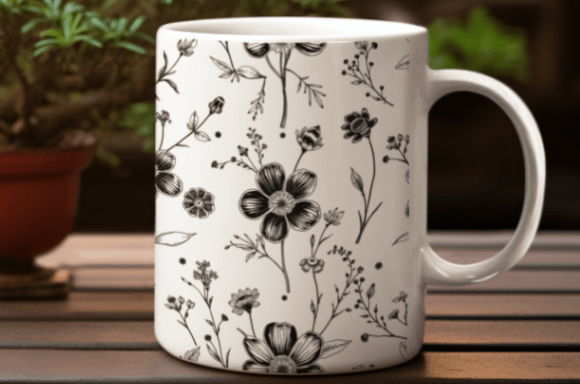
In the ever-evolving landscape of graphic design and visual arts, there is a persistent return to simplicity. Amidst the noise of vibrant colors and complex digital textures, the Elegant Botanical Line Art Collection stands out as a beacon of clarity and grace. This refined illustration collection features delicate hand-drawn floral and botanical elements rendered in a classic black and white line art style. It is not merely a set of images; it is a design philosophy that champions minimalism, precision, and the inherent beauty of nature's forms.
Whether you are a seasoned designer seeking inspiration for a new branding project or a creative enthusiast looking to refresh your home decor, understanding the nuances of this style can transform how you approach visual storytelling. This article explores the purpose, significance, and practical applications of botanical line art, offering a comprehensive look at why this aesthetic remains perpetually relevant in modern life.
Defining the Essence of Botanical Line Art
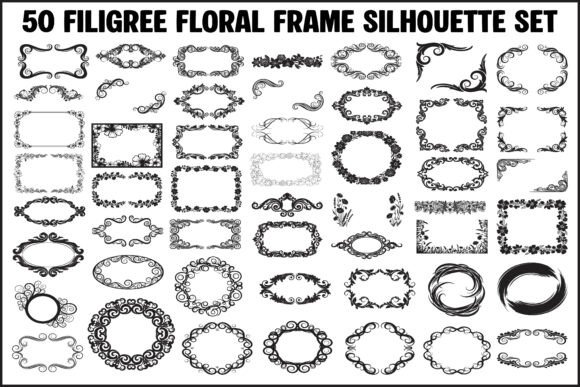
At its core, botanical line art is an artistic discipline that focuses on the accurate and graceful representation of plants using only lines. Unlike traditional watercolors or oil paintings that rely on shading, color gradients, and texture to create depth, line art relies entirely on the weight, flow, and intersection of strokes. The Elegant Botanical Line Art Collection exemplifies this by showcasing flowers, stems, and leaves arranged with mathematical precision yet organic fluidity.
The "elegant" descriptor is crucial here. It implies a level of sophistication where every curve serves a purpose. These designs often feature seamless and repeating patterns, creating a rhythm that mimics the natural growth cycles of flora. By stripping away color, the artist forces the viewer to focus on the structure—the vein of a leaf, the curl of a petal, the arch of a stem. This reductionist approach results in a timeless aesthetic that feels both historic and strikingly modern.
The Significance of Minimalism in Modern Design
Why has this style become so prevalent? The answer lies in the concept of minimalism. In a world saturated with information and visual clutter, the human eye craves rest. Black and white line art provides that respite. It offers a visual pause, allowing the content it surrounds to breathe. This is particularly significant in modern business and education, where clarity is king.
When applied to packaging or stationery, these illustrations convey a sense of purity and authenticity. They suggest that a brand values quality over flashiness. For example, a skincare company might use a delicate line drawing of a lavender sprig on their bottle label to communicate natural ingredients without needing a photograph. The illustration acts as a symbol of trust and refinement, bridging the gap between the product and the consumer through shared aesthetic values.
Practical Applications Across Industries
The versatility of the Elegant Botanical Line Art Collection is one of its greatest strengths. Because the designs are devoid of specific color palettes, they adapt effortlessly to various mediums and contexts. Here is how this style fits into different facets of creative work:
- Wallpapers and Interior Decor: In residential and commercial spaces, these patterns serve as sophisticated backdrops. A seamless repeating pattern of ferns or wildflowers can cover an entire wall without overwhelming the room. The monochromatic nature ensures it complements any furniture style, from mid-century modern to rustic farmhouse.
- Fabric Prints and Textiles: The scalability of line art makes it ideal for textiles. Whether printed on silk scarves, cotton bedding, or upholstery fabric, the crisp lines maintain their integrity. Designers often use these prints to add a touch of elegance to fashion collections or home linens.
- Stationery and Invitations: There is no greater occasion for line art than formal events. Wedding invitations, greeting cards, and letterheads benefit immensely from the understated luxury of hand-drawn florals. The classic black and white scheme allows for embossing, foil stamping, and textured paper effects to take center stage.
- Packaging Design: From cosmetic boxes to artisanal food wrappers, this style elevates the unboxing experience. It suggests craftsmanship and attention to detail, key factors in consumer purchasing decisions today.
- Digital Projects: In the digital realm, these assets are lightweight and load quickly. They are perfect for website backgrounds, app interfaces, and social media graphics where clean visuals are essential for user engagement.
Bridging Digital and Print Realms
A common assumption is that hand-drawn art is difficult to translate into digital formats. However, the Elegant Botanical Line Art Collection is specifically crafted to be suitable for both digital and print projects. When vectorized, these illustrations become infinitely scalable. You can shrink a floral motif to fit a business card logo or expand it to cover a billboard without losing a single pixel of clarity. This dual compatibility makes it an invaluable asset for agencies and freelancers who need to deliver consistent branding across multiple channels.
Creative Integration: How to Use the Collection Effectively
For beginners entering the world of design, integrating botanical line art can seem daunting. How do you choose the right element? How do you arrange them? The key is to understand the balance between negative space and positive form.
Start by selecting a focal point. Perhaps a single, large bloom serves as the centerpiece of a poster, surrounded by smaller, repeating vines that frame the edges. Alternatively, for a fabric print, you might utilize a seamless pattern where the elements interlock perfectly, creating an endless tapestry of greenery (even if rendered in black ink). The goal is to avoid overcrowding. Remember, the beauty of line art lies in what is left unsaid—the empty space is just as important as the drawn lines.
Furthermore, consider the emotional tone you wish to evoke. Delicate, thin lines often suggest fragility and romance, making them perfect for wedding invitations or baby shower themes. Thicker, bolder strokes can convey strength and stability, suitable for corporate branding or educational materials. By varying the line weight within the same collection, designers can create dynamic compositions that guide the viewer's eye naturally.
Common Misunderstandings About Line Art
One frequent misunderstanding is that black and white line art is "unfinished" or lacks the impact of full-color photography. On the contrary, this style requires a high degree of skill and intentionality. Every stroke must be deliberate. Another misconception is that it is outdated. While the technique has roots in historical botanical sketches, its application in modern graphic design is cutting-edge. It aligns perfectly with current trends in flat design, Scandinavian aesthetics, and sustainable branding.
Additionally, some believe that line art is too rigid for organic subjects. However, the best botanical illustrations capture the movement of nature. The curves of a stem should feel alive, as if caught in a gentle breeze. This dynamism prevents the design from feeling static or mechanical.
The Broader Impact on Creativity and Culture
Beyond its practical uses, the Elegant Botanical Line Art Collection plays a role in reconnecting people with nature. In our increasingly urbanized lives, we often lose touch with the natural world. These illustrations bring the outdoors inside, offering a subtle reminder of the beauty found in gardens and forests. They encourage mindfulness and appreciation for the intricate details of plant life.
In education, such imagery can be used to teach biology and art simultaneously. Students can study the anatomy of a flower while learning about composition and line quality. In the workplace, incorporating these elements into office environments can reduce stress and improve focus, leveraging the proven psychological benefits of biophilic design.
Conclusion: A Versatile Tool for the Modern Creator
The Elegant Botanical Line Art Collection represents more than just a set of images; it is a versatile tool for communication, decoration, and expression. Its refined, minimalist aesthetic transcends trends, offering a timeless quality that resonates with audiences across generations. Whether you are designing a new product line, planning a special event, or simply looking to beautify your digital workspace, these delicate hand-drawn elements provide the perfect foundation.
By embracing the power of simplicity and the elegance of nature, creators can produce work that is not only visually stunning but also deeply meaningful. As we move forward in a digital age, the enduring appeal of black and white botanical line art proves that sometimes, less truly is more. It invites us to slow down, observe, and appreciate the graceful lines that connect us all to the natural world.