Floral Wildflower with Cowboy Boot: A Practical Guide to Western Botanical Design
In the realm of digital design and creative assets, the intersection of rustic themes and botanical elegance has gained significant traction. The Floral Wildflower with Cowboy Boot concept represents a specific aesthetic niche where the rugged symbolism of the American West meets the soft, organic textures of nature. This design approach is not merely about placing two disparate elements side by side; it is about creating a cohesive visual narrative that appeals to a demographic seeking warmth, authenticity, and a touch of vintage charm. For designers, crafters, and small business owners, understanding the nuances of this style is essential for selecting the right resources for their projects.
The Distinctive Appeal of Watercolor Western Themes
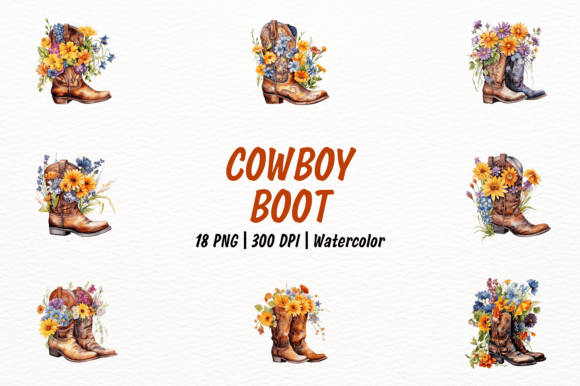
The core appeal of the Floral Wildflower with Cowboy Boot illustration lies in its medium and execution. Unlike vector graphics, which often prioritize sharp lines and geometric precision, watercolor illustrations offer a hand-painted texture that mimics traditional art. This technique introduces imperfections, color bleeding, and soft edges that evoke a sense of nostalgia and craftsmanship. When applied to a cowboy boot—a symbol often associated with durability and structure—the addition of vibrant wildflowers creates a striking contrast. The hard leather of the boot is softened by the delicate petals of the flora, resulting in an image that feels both grounded and whimsical.
This specific style is distinct because it bridges the gap between "rustic" and "elegant." While many western designs lean heavily into distressed textures or bold, graphic typography, the watercolor approach allows for a more refined application. It is particularly effective for occasions that require a celebratory yet down-to-earth tone, such as weddings, baby showers, or boutique branding. The high-resolution nature of these assets, typically rendered at 300 DPI, ensures that the subtle gradients and brushstrokes remain visible even when printed on larger formats like banners or invitations.
Evaluating Formats: PNG Transparency vs. JPG Backgrounds
When acquiring digital assets like the Floral Wildflower with Cowboy Boot, the file format plays a critical role in usability. Most professional bundles provide two primary variations: PNG files with transparent backgrounds and JPG files with white backgrounds. Understanding the utility of each is vital for efficient workflow management.
PNG files with transparency are the industry standard for compositing. They allow the designer to place the illustration directly onto any background color, pattern, or photograph without the need for manual erasing or masking. This is indispensable for creating layered designs, such as placing a boot illustration over a textured paper background or integrating it into a complex website layout. The ability to layer these elements seamlessly saves hours of post-processing time.
JPG files with white backgrounds, while seemingly less flexible, serve specific purposes. They are ideal for print-on-demand services that require a solid white base, or for projects where the element needs to be isolated from a dark background but the user prefers a rasterized edge. Additionally, some older printing systems or specific crafting software may handle JPGs more reliably than PNGs depending on the compression settings. Having both formats in a single collection provides versatility, ensuring that the asset can adapt to various technical requirements without quality loss.
Comparing Watercolor Clipart to Vector Alternatives
Designers often face a choice between watercolor clipart and vector-based illustrations when working with western themes. Each format offers distinct advantages and tradeoffs that should be weighed against the project goals.
- Texture and Realism: Watercolor illustrations excel in conveying texture. The way light hits the leather of a boot or the translucency of a flower petal is captured through pigment simulation. Vectors, while scalable to infinity, often lack this organic depth unless complex gradient maps are manually created.
- Scalability: Vectors are mathematically defined, meaning they never lose resolution regardless of size. However, modern watercolor sets are increasingly provided at high resolutions (e.g., 3000 x 3000 pixels). For most standard applications—such as social media graphics, greeting cards, and medium-sized prints—this resolution is sufficient and often superior in terms of artistic feel.
- Editing Flexibility: Vector files allow for individual path manipulation, enabling users to change colors or reshape elements easily. Watercolor PNGs are raster images; once colored, the hues are fixed. If a project requires extensive customization of the base image, vectors might be the better choice. However, for quick assembly and immediate use, pre-colored watercolor assets are far more efficient.
For the average crafter or designer looking to create a wedding invitation suite or a set of stickers, the Floral Wildflower with Cowboy Boot watercolor style often outperforms vectors in emotional resonance. The "hand-painted" look suggests human effort and care, which aligns perfectly with the values of the target audience aged 20–50 who appreciate artisanal aesthetics.
Ideal Use Cases and Application Scenarios
The versatility of this design collection makes it suitable for a wide range of applications, from personal DIY projects to commercial product creation. The key is matching the visual weight of the illustration to the intended medium.
Printed Stationery and Invitations
Wedding invitations, baby shower cards, and birthday announcements benefit immensely from this style. The combination of boots and flowers suggests a theme that is celebratory yet relaxed. Because the images come with transparent backgrounds, they can be overlaid on kraft paper textures, linen patterns, or pastel washes to create sophisticated stationery. The 300 DPI resolution ensures crisp text placement around the intricate floral details.
Digital Marketing and Social Media
In the digital space, visual consistency is paramount. Brands targeting the "western chic" or "boho-rustic" demographic can use these illustrations for Instagram posts, Pinterest pins, and website headers. The vibrant colors pop against clean digital interfaces, drawing attention without appearing cluttered. Collages featuring multiple elements from the set can tell a story of a brand's identity, blending nature and heritage.
Crafting and Merchandise
For those involved in handicrafts, these assets are invaluable for creating physical products. They can be printed on vinyl for stickers, used in sublimation transfers for t-shirts and mugs, or incorporated into scrapbooking layouts. The removal of the background simplifies the cutting process for die-cut machines, allowing for precise shapes that adhere well to various surfaces.
Licensing Considerations and Commercial Viability
One of the most critical factors in choosing digital assets is understanding the licensing terms. The Floral Wildflower with Cowboy Boot collection typically comes with a license that permits both personal and commercial use. This distinction is crucial for entrepreneurs planning to sell physical goods.
Commercial licenses generally allow users to incorporate the artwork into products they manufacture and sell, such as printed tote bags, framed art, or custom packaging. Users are also permitted to create derivative works, meaning they can combine these illustrations with other elements to create unique designs. However, a common restriction found in reputable collections is the prohibition of reselling the original digital files themselves. Platforms like Etsy or Creative Fabrica prohibit the direct resale of the raw clipart files to protect the original artist's intellectual property.
It is important for buyers to review the specific terms of use provided by the creator, such as New School Wave. Adhering to these guidelines ensures legal compliance and supports the sustainability of independent artists. By respecting the boundaries of the license, creators can confidently build businesses around these assets without fear of infringement issues.
Decision Factors: Is This Style Right for Your Project?
While the Floral Wildflower with Cowboy Boot aesthetic is versatile, it may not be the optimal choice for every design brief. Several factors should influence the decision to use this specific style over others.
Target Audience Alignment: This style resonates strongly with audiences who value tradition, nature, and a slightly nostalgic vibe. If the target demographic prefers ultra-modern, minimalist, or futuristic aesthetics, the rustic watercolor look might feel out of place. It is best suited for events and brands that want to convey warmth and approachability.
Color Palette Constraints: Watercolor illustrations often feature a specific vibrancy and saturation. If a project requires strict adherence to a monochromatic or highly muted corporate palette, the natural colors of the wildflowers and boots might clash. In such cases, vector assets that allow for easy recoloring might be preferable.
Complexity of Layout: These illustrations are detailed and organic. They work best as focal points or accent elements rather than repetitive background patterns. If a design requires a seamless, repeating tile pattern, simpler line art or geometric western motifs might integrate more smoothly.
Conclusion
The Floral Wildflower with Cowboy Boot design collection offers a compelling blend of artistic texture and thematic relevance. By combining the structural iconography of the cowboy boot with the fluid beauty of wildflowers, it provides a unique visual language for a variety of creative endeavors. Whether for personal crafting or commercial product development, the availability of high-resolution PNG and JPG formats ensures flexibility across different mediums.
Ultimately, the decision to utilize this style depends on the desired emotional impact of the final product. For projects aiming to evoke a sense of rustic elegance, organic beauty, and heartfelt celebration, this watercolor approach stands out as a superior alternative to rigid vector graphics. By carefully considering the format, licensing, and audience fit, designers can leverage these assets to create memorable and visually stunning work that connects authentically with viewers.