Elegant Scrollwork Corner Decoration
In the realm of graphic design and print media, the details often define the overall aesthetic. The Elegant Scrollwork Corner Decoration serves as a classic element used to frame content, add sophistication, and evoke a sense of tradition. These decorative motifs, characterized by intricate curves, flourishes, and symmetrical patterns, have been a staple in design for centuries. Today, they remain highly relevant for designers seeking to infuse their projects with a vintage or formal touch. This article evaluates the utility, application, and considerations surrounding these vector assets to help you determine if they align with your specific design goals.
Understanding the Design Element
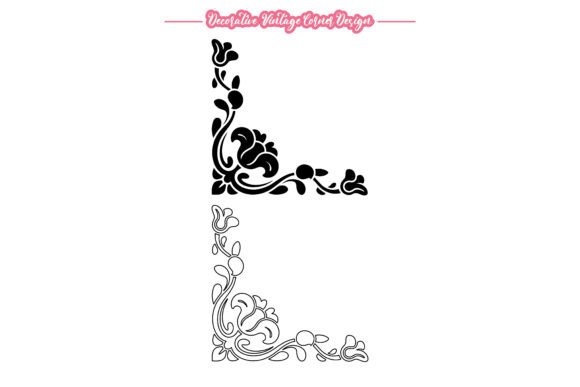
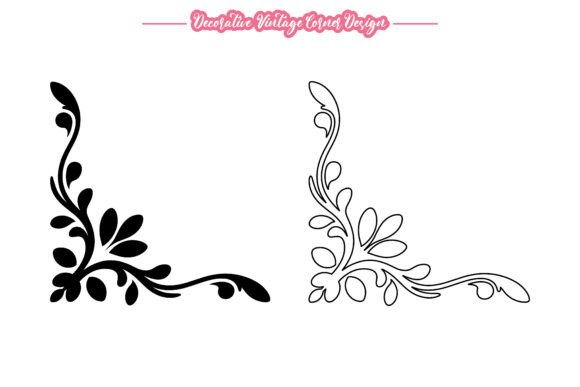
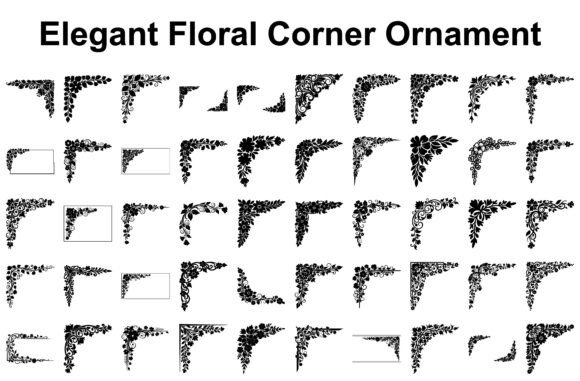
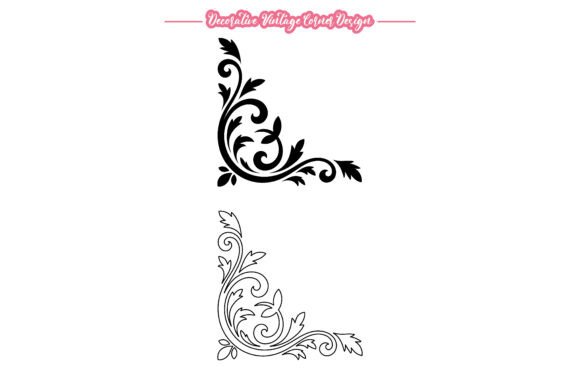
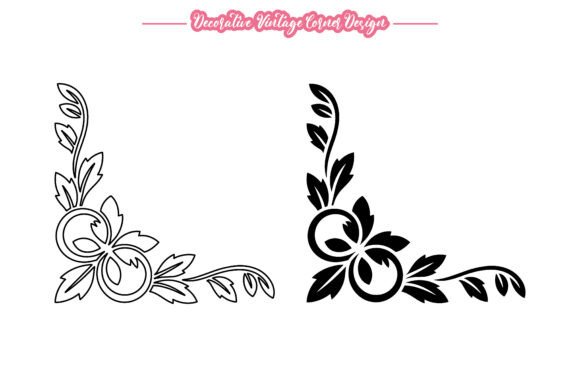
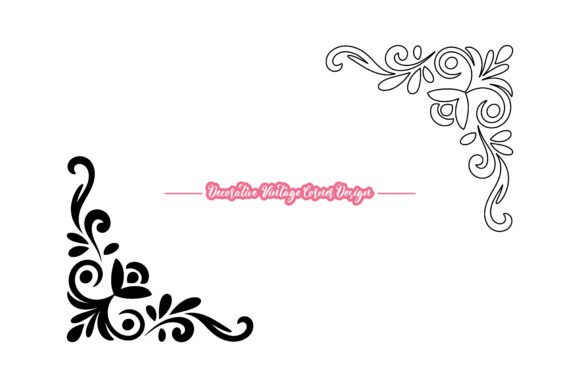
An Elegant Scrollwork Corner Decoration is a graphical asset typically found in the four corners of a page, document, or image. Unlike full borders that enclose content entirely, corner ornaments provide a subtle framing effect that draws the eye inward without overwhelming the central subject matter. The designs usually feature elaborate scrollwork, which consists of spirals, volutes, and acanthus leaves, rendered in both solid and outline styles. This duality allows for versatility; the solid version can serve as a bold statement piece, while the outline style offers a delicate, refined appearance suitable for lighter backgrounds.
Modern iterations of these designs are frequently available as vector files, such as EPS formats. This technical specification ensures that the intricate details of the scrollwork remain crisp and clear regardless of how much the image is scaled. Whether the decoration is printed on a small business card or blown up for a large certificate, the vector nature preserves the integrity of the lines and curves, preventing the pixelation often associated with raster images like standard JPEGs.
Reasons for Interest and Application
Designers and hobbyists often seek out Elegant Scrollwork Corner Decoration assets when they need to elevate the perceived value of a document. There are several practical reasons why this specific style remains popular:
- Formal Occasions: Invitations for weddings, galas, and formal dinners frequently utilize these ornaments to convey elegance and importance.
- Certification and Awards: Diplomas, certificates of achievement, and official documents rely on corner decorations to establish authority and tradition.
- Branding and Logos: Companies in sectors such as law, luxury goods, or heritage crafts may incorporate these elements into their logos to suggest stability and history.
- DIY and Scrapbooking: Crafters use these digital assets to create personalized stationery, photo albums, and greeting cards with a professional finish.
The ability to modify the color and style of these vectors adds another layer of appeal. With access to editable files, users can adjust the hue to match a brand palette or change the stroke weight to suit the thickness of the paper being used. This flexibility makes the asset a strong candidate for projects requiring customization.
Benefits and Practical Advantages
Integrating an Elegant Scrollwork Corner Decoration into a project offers distinct advantages over creating similar graphics from scratch. The primary benefit is time efficiency. Crafting high-quality, symmetrical scrollwork manually requires significant skill and hours of labor. Pre-made vector packages allow designers to achieve a premium look instantly. Furthermore, the inclusion of multiple file formats, such as EPS for editing and JPG for quick previews, streamlines the workflow across different software environments.
Another significant advantage is the resolution quality. Assets provided at 300 DPI ensure that the final output is print-ready, avoiding the blurriness that can plague low-resolution downloads. For professionals who need to maintain consistency across various materials, having a single source file that can be edited for color and size ensures uniformity. The "solid and outline" variations included in many packages also offer immediate design options, allowing for A/B testing of visual weight without needing to redraw elements.
Tradeoffs and Considerations
While these decorative elements are powerful tools, there are tradeoffs to consider before integrating them into a design. The most notable consideration is stylistic appropriateness. Scrollwork is inherently traditional and ornate. Using it in a minimalist, modern, or tech-focused design can create a visual dissonance that distracts from the message. It is essential to evaluate whether the ornate nature of the decoration supports the brand identity or undermines it.
Additionally, there is the risk of over-decoration. Placing heavy corner ornaments on a page already dense with text or imagery can make the layout feel cluttered and difficult to read. Designers must balance the decorative elements with negative space to ensure readability. Another technical consideration is software compatibility. While EPS files are industry standards for vector graphics, not all users possess the necessary software, such as Adobe Illustrator, to fully edit the vector paths. Users relying solely on basic image editors may find themselves limited to the pre-rendered JPG versions, losing the ability to customize colors or shapes.
When It Is a Strong Fit
The Elegant Scrollwork Corner Decoration is an ideal choice when the goal is to communicate prestige, history, or formality. It fits perfectly in situations where the audience expects a certain level of ceremony. For example, a university issuing a graduation diploma benefits significantly from the gravitas these ornaments provide. Similarly, a boutique wedding planner designing invitations for a Victorian-themed event will find these assets indispensable.
It is also a strong fit for branding projects where a company wants to emphasize its longevity or craftsmanship. A family-owned bakery established in the early 1900s, for instance, might use these scrolls on their packaging to reinforce their heritage. In scrapbooking and DIY crafts, where the creator desires a polished, magazine-quality look without advanced drawing skills, these templates offer a reliable solution.
When Alternatives May Be Worth Considering
Conversely, there are scenarios where alternative design approaches are more effective. If the project targets a youthful demographic or focuses on innovation and speed, a clean sans-serif font with geometric accents may be more appropriate than floral scrollwork. In digital interfaces, such as mobile apps or responsive websites, heavy corner decorations can sometimes interfere with usability or load times, making flat icons or simple dividers a better choice.
Furthermore, if the design requires a unique, one-of-a-kind illustration that tells a specific story, generic scrollwork might feel too impersonal. Custom illustration would be preferable in cases where the decoration needs to interact directly with the content in a non-standard way. Finally, if the budget does not allow for the purchase of premium vector packs, free clip art or open-source resources might suffice, though they often lack the refinement and editability of paid professional assets.
Decision-Making Insights
To determine if the Elegant Scrollwork Corner Decoration aligns with your needs, ask yourself three key questions. First, does the ornate style complement the tone of my message? If the answer is yes, proceed. Second, do I have the technical capability to edit the vector files if I need to change colors or sizes? If you only need a static image, a high-resolution JPG may be sufficient, but for long-term branding, the editable EPS is crucial. Third, will this decoration enhance the hierarchy of the design or distract from the main content?
Evaluating these factors ensures that the decorative element serves a functional purpose rather than acting as mere filler. By understanding the strengths and limitations of these vintage-style ornaments, you can make informed decisions that enhance the visual impact of your frames, invitations, certificates, and branding projects. Ultimately, the value of these assets lies in their ability to bridge the gap between traditional aesthetics and modern design workflows, offering a timeless solution for those who appreciate detailed craftsmanship.